
Cannabis THC Oil vs CBD Oil: Understanding the Key Differences
What Is the Difference Between Cannabis Oil and CBD Oil?
Many people searching for natural wellness products encounter both cannabis THC oil and CBD oil and assume they are the same. While the two products are related, they are not identical.
Each is produced from the cannabis plant, yet they differ significantly in composition, cannabinoid content and how they are typically used.
Understanding these differences can help consumers make informed decisions when researching plant-derived wellness products.
The distinctions largely relate to how the oil is extracted, the compounds it contains and the intended purpose for which it is produced.
Both oils originate from varieties of the Cannabis sativa plant, but the plant strains, extraction methods and cannabinoid profiles may vary considerably.
How Cannabis Extracts Are Produced
Before comparing the two products, it is useful to understand how oils derived from the cannabis plant are generally produced. The extraction process separates beneficial plant compounds from the raw plant material to create a concentrated oil.
- Common extraction approaches include:
- Supercritical carbon dioxide extraction
- Ethanol extraction
- Cold pressing of seeds
- Lipid infusion using carrier oils
These processes allow manufacturers to isolate different plant compounds known as cannabinoids.
These naturally occurring compounds interact with the body’s endocannabinoid system, which plays a role in maintaining internal balance.
The composition of the final product depends heavily on the plant material used and the extraction technique applied.
How Cannabis Extracts Are Produced
Understanding Cannabis Oil
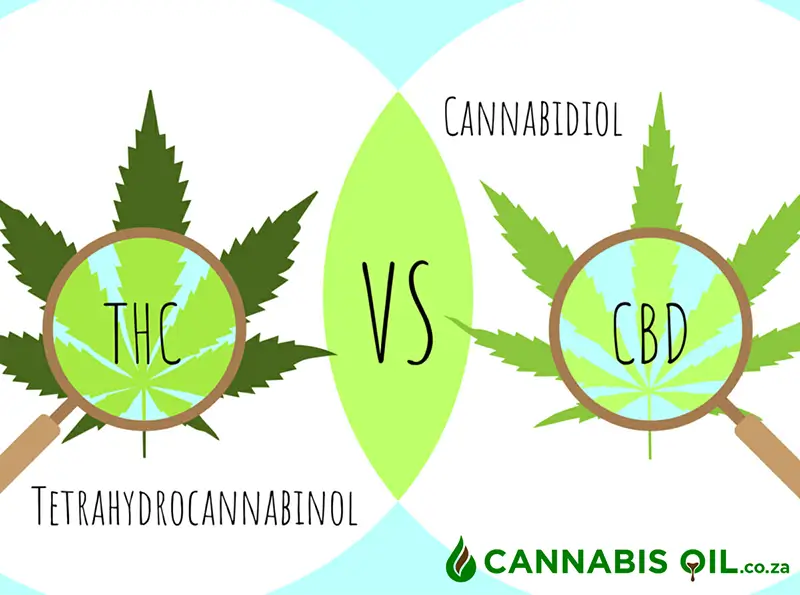
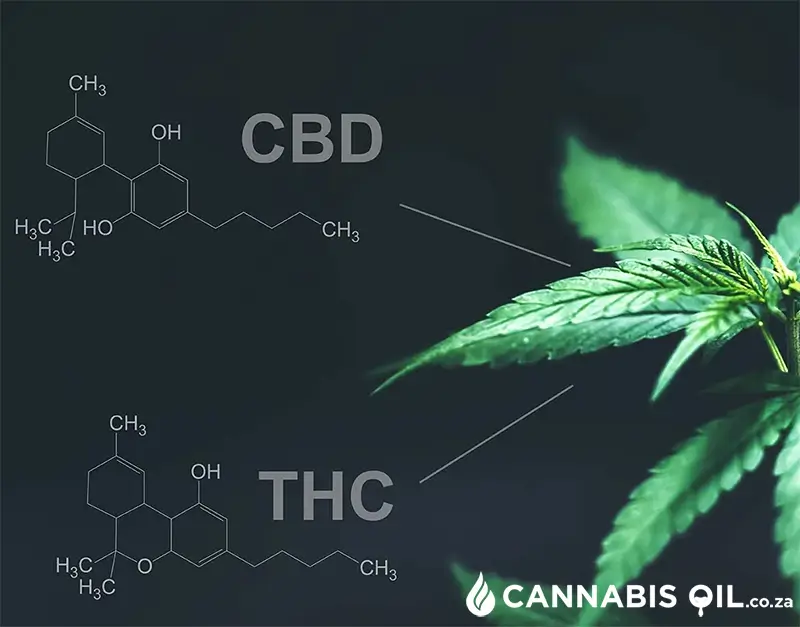
Cannabis oil is typically produced from cannabis plant varieties that contain a wide spectrum of cannabinoids. These may include tetrahydrocannabinol (THC), cannabidiol (CBD) and numerous minor cannabinoids.
Because of this broader cannabinoid profile, cannabis oil may contain varying levels of THC depending on how it is produced and the regulations governing its manufacture in a particular country.
Characteristics often associated with cannabis oil include:
- A full range of naturally occurring cannabinoids
- Strong plant terpene profiles
- Concentrated botanical compounds
- Different formulations depending on the intended use
The presence of multiple cannabinoids is sometimes described as producing an “entourage effect”, where compounds interact together within the body.
However, the exact composition varies significantly between products and manufacturers.
CBD Oil: Composition and Characteristics
Understanding CBD Oil
CBD oil is produced with the intention of delivering cannabidiol as the primary compound.
The oil is commonly extracted from hemp varieties of the cannabis plant, which naturally contain very low levels of THC.
Because of this, CBD oil products are typically formulated to contain minimal or trace amounts of THC while maintaining higher levels of cannabidiol.
Typical characteristics include:
- High cannabidiol concentration
- Low or negligible THC content
- Mild plant flavour depending on formulation
- Use of carrier oils such as MCT or hemp seed oil
CBD oil is widely researched for its potential interaction with the body’s endocannabinoid system, which influences various physiological processes.
Key Differences Between the Two Oils
Although both products originate from the same plant family, several important distinctions separate them.
Cannabinoid profile
One oil may contain a broader spectrum of cannabinoids, while the other is generally formulated to emphasise cannabidiol.
Source plant
Cannabis oil is often derived from cannabis plant varieties with higher cannabinoid diversity, whereas CBD oil is typically produced from hemp plants selected for low THC levels.
Intended formulation
Manufacturers formulate products differently depending on regulatory requirements and the purpose for which the oil is produced.
Regulatory framework
Regulations surrounding cannabis-derived products differ between countries, which can influence product availability and composition.
Common Uses of Plant-Derived Oils
CBD oil is produConsumers explore cannabis-derived oils for a variety of reasons related to wellness and lifestyle interests.
Research into cannabinoids continues to evolve, and public interest in plant-based compounds has grown significantly in recent years.
Some individuals explore these oils as part of broader wellness routines that may include:
- Stress management practices
- Sleep support routines
- Recovery from physical activity
- General lifestyle balance
It is important for consumers to seek accurate information and consult appropriate professionals when considering any wellness product.
How to Choose Between Cannabis Oil and CBD Oil
Choosing between the two products generally depends on personal preferences, regulatory considerations and the intended use of the oil.
Factors consumers often evaluate include:
- Cannabinoid content
- Product transparency and lab testing
- Extraction methods
- Source of the plant material
- Quality control standards
Responsible suppliers typically provide detailed product information so customers can understand exactly what they are purchasing.
Product Transparency and Quality
Quality assurance is particularly important when purchasing botanical extracts.
Reputable suppliers prioritise transparency and provide supporting information about their products.
Indicators of quality may include:
- Independent laboratory testing
- Clear ingredient listings
- Traceable sourcing of plant material
- Responsible extraction methods
This level of transparency allows consumers to make informed decisions when selecting plant-derived oils.
Growing Interest in Cannabis-Derived Wellness Products
Global interest in cannabis-derived products has increased significantly as research into cannabinoids continues to expand.
Many consumers now explore plant-based alternatives as part of broader wellness approaches.
Educational resources play an important role in helping individuals understand the differences between various cannabis-derived products.
By providing clear and accurate information, suppliers can help customers make well-informed choices.
Disclaimer
The information provided in this article is intended for educational purposes only and should not be considered medical advice.
Individuals should consult a qualified healthcare professional before using any cannabis-derived product.
Author & Reviewer
Editorial Team – Cannabis Medicine South Africa
Research and educational content focused on cannabis-derived wellness products and consumer education.